
What Does an Advisory Board Actually Do for Your Small Business?
Bhushan Ekbote, CEO, TAB Austin · 2 min read
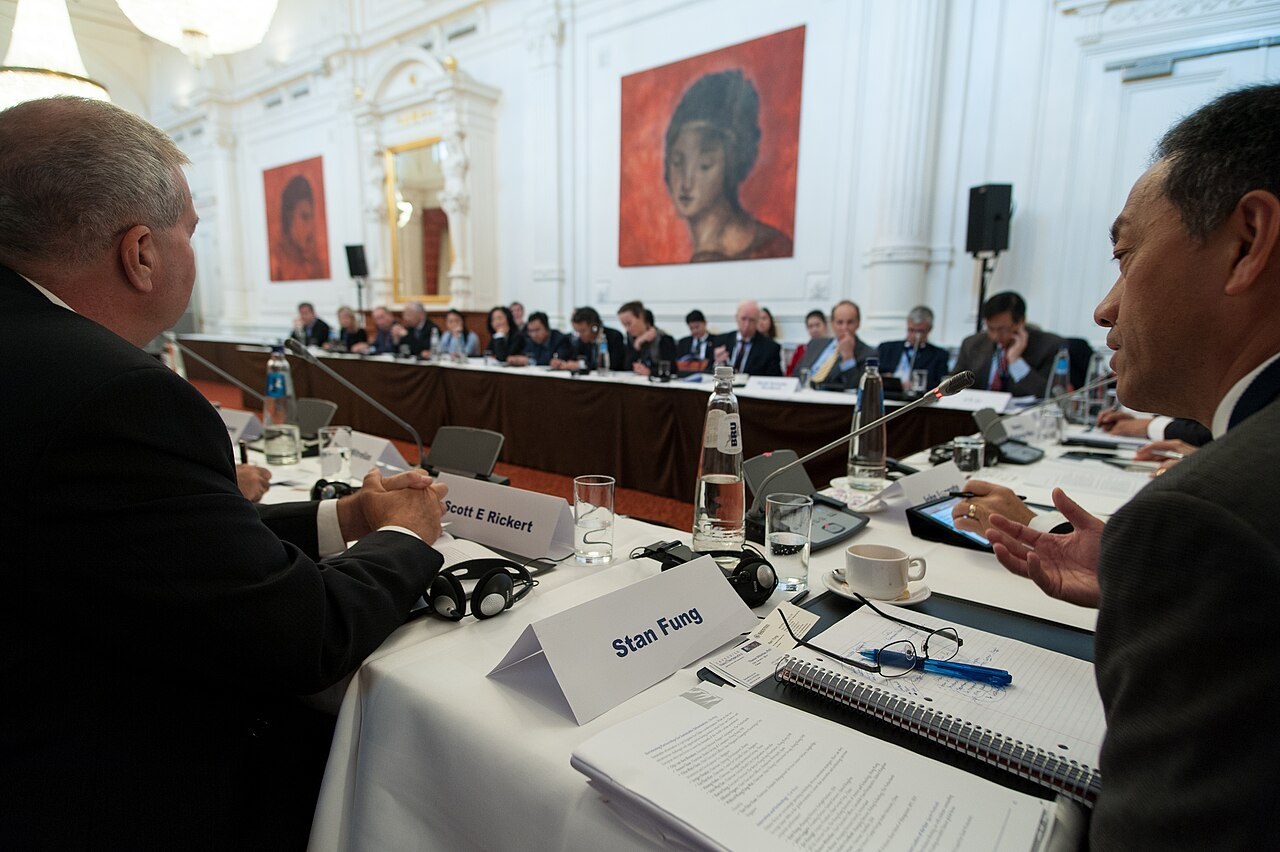
A peer advisory board gives you a room full of people who have run a business and will tell you the truth about yours.
That is the short version. Here is the longer one.
When you own a small business, every decision lands on you. Pricing. Hiring. Whether to fire the person who has been with you for six years. Whether to take the loan. There is nobody to bounce it off. Your spouse loves you but does not know your margins. Your employees depend on you, so you cannot show them the doubt. Your friends have jobs, not payrolls.
So you carry it. Alone. Most owners I meet in Austin have been carrying it for years and have stopped noticing the weight.
A peer advisory board does three things about that.
It gives you a place to test ideas. You walk in with a half-formed plan, say it out loud, and watch seven other owners poke at it. Some of them have already made the mistake you are about to make. They tell you what it cost them. That conversation is cheaper than the mistake.
It builds accountability. You say what you will do this month. Next month, the same people ask whether you did it. Nobody likes admitting they skipped the hard thing in front of seven peers. So you stop skipping it.
It shrinks the loneliness. This is the one people do not expect, and it is the one that matters most. You find out that the CEO of a multi-million dollar company lies awake over the same questions you do. That alone changes how a hard week feels.
Let me give you an example. One of my board members runs an events management company. She came out of a decorated corporate career and was wrecked by the rejection that comes with selling. Calls unreturned. Emails ignored. People ghosting her after a great first meeting. She told the board, close to tears, that it made her feel like she did not matter.
The board did not tell her to toughen up. They broke her problem apart. Sales has stages: discovery, proposal, negotiation, close. She was good at discovery and comfortable in it. The rest drained her. Their advice was simple. Do the part you are strong at. Hand the negotiation and closing to someone who does it well.
She had been mentally locked, convinced that she personally had to do every stage. Hearing it from peers who had built companies freed her up in one meeting.
That is the work. Not a lecture. Not a framework dropped on you from a slide. A group of people who know your situation, looking at your actual problem.
What a board will not do
It will not run your company for you. It will not flatter you either. If you want a room that tells you how great you are, a chamber mixer is cheaper.
A board works for owners who are willing to say "I do not know" and then act on what they hear.
Where to start
If that sounds like you, come to a TAB Austin CEO Roundtable and sit in on a real conversation before you decide anything.
See how a peer advisory board works. Join our next CEO Roundtable in Austin.
See upcoming Roundtables